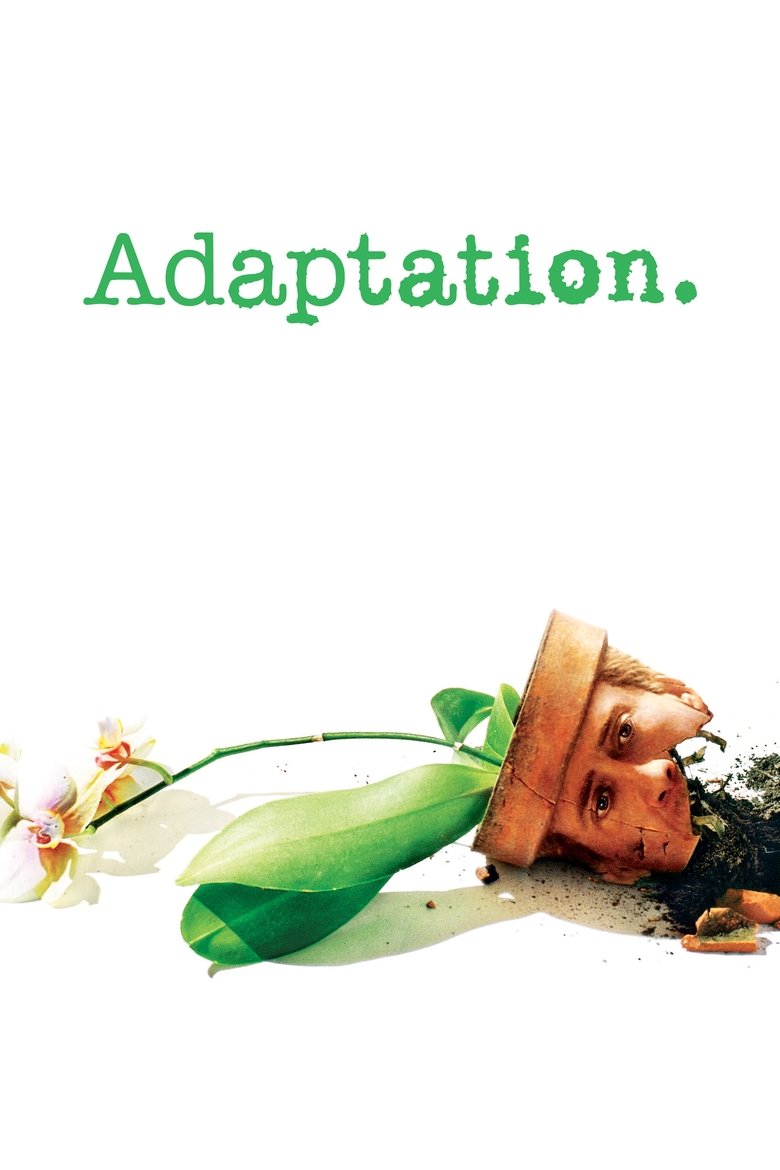
If someone argues that Adaptation. is the greatest film of its decade, the case rarely rests on a single virtue. It rests on how many jobs the film does at once while still working as an entertaining two hours at the movies. Directed by Spike Jonze, written by Charlie Kaufman, and credited, famously, to two writers when only one of them exists, it is a comedy, a character study, a Hollywood satire, a philosophical essay, a thriller, and a love story stacked into one frame. Most films are proud to do one of those things well. This one keeps all six in the air, and then, having out-thought every movie in the room, it ends on a feeling instead of an idea.
It solves a genuinely impossible problem
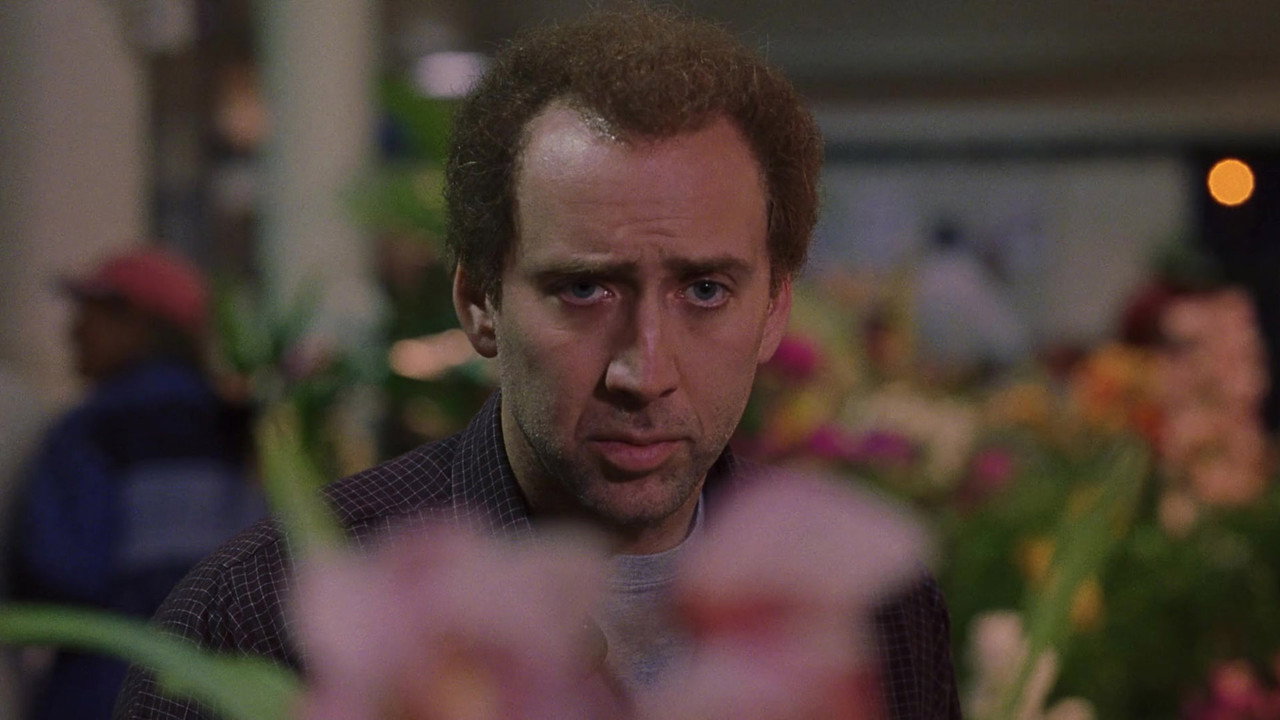
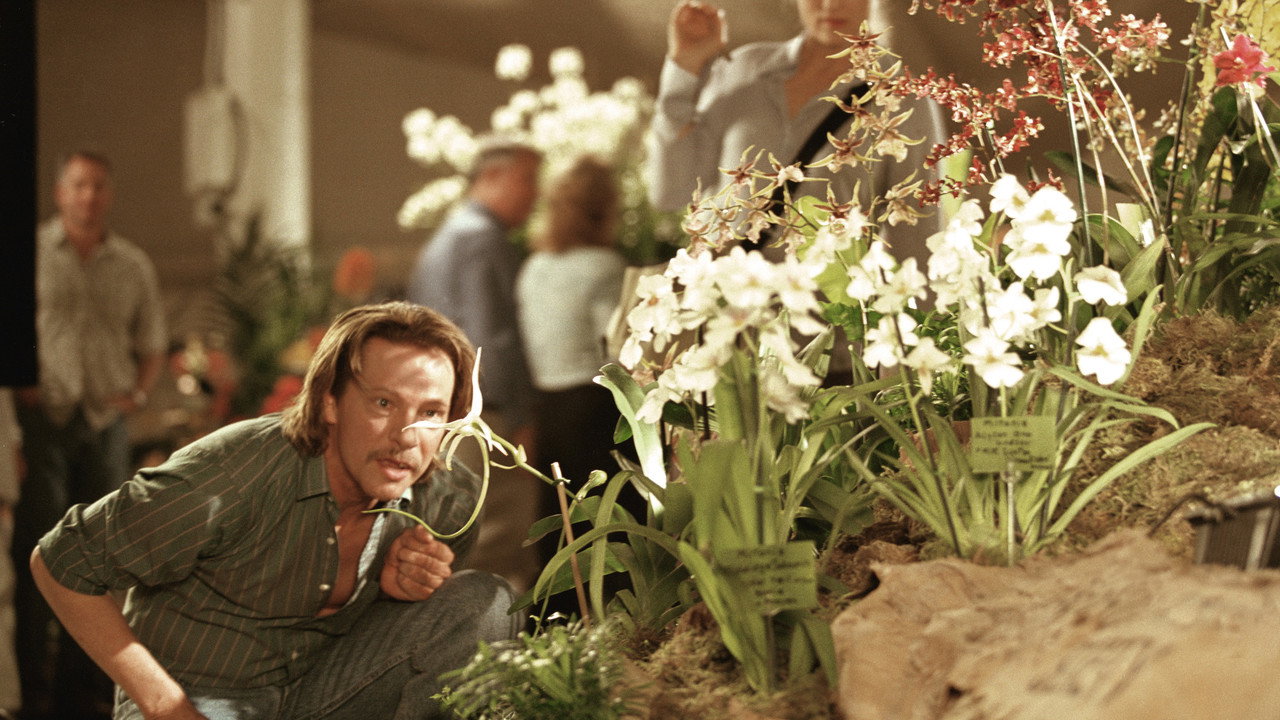
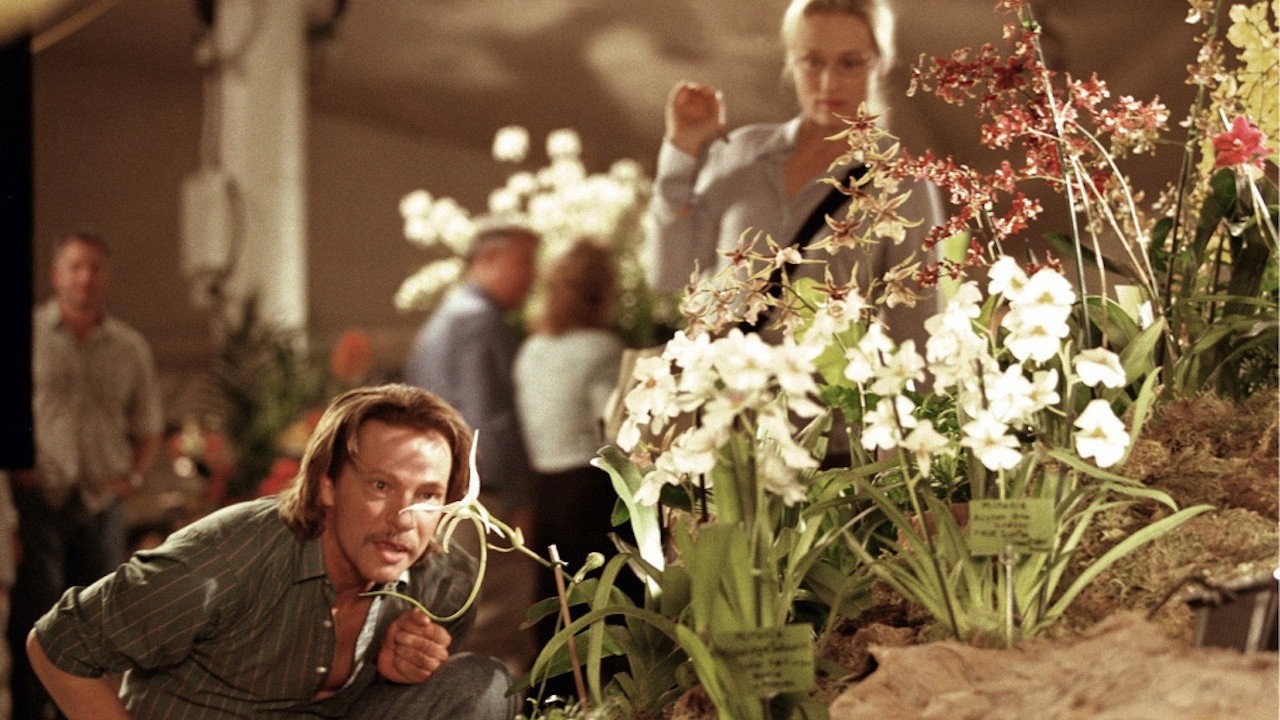
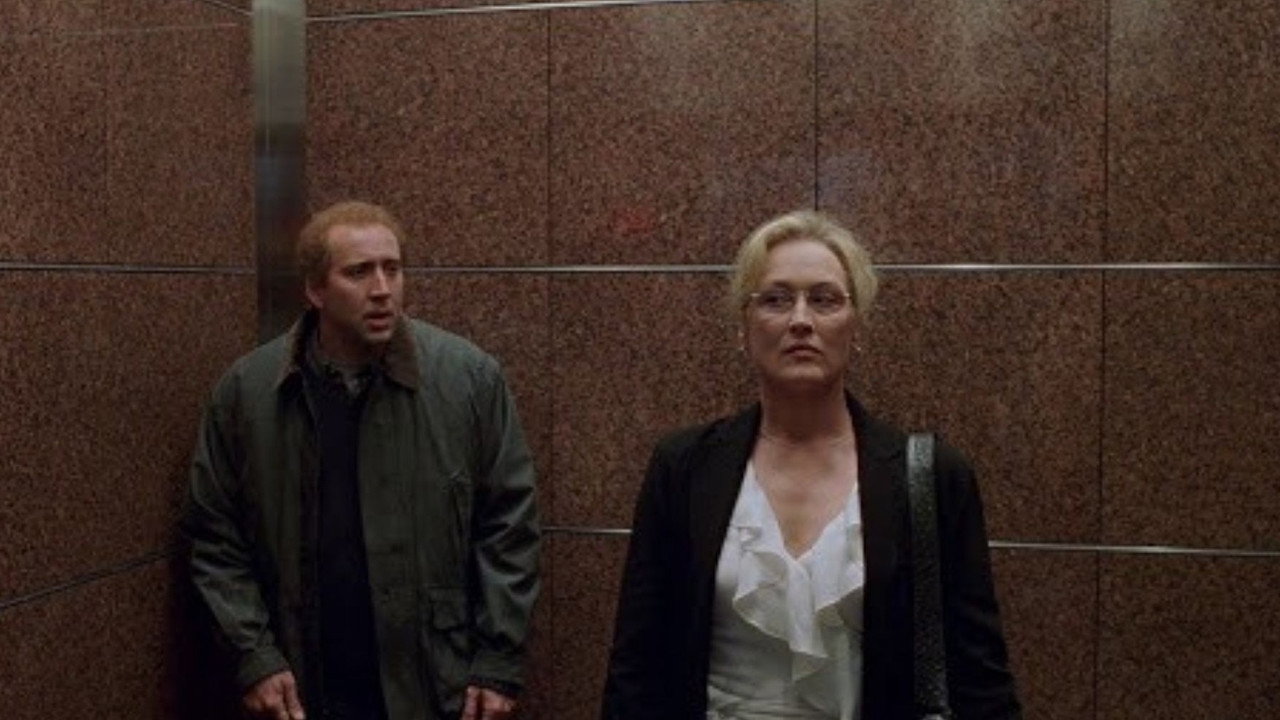
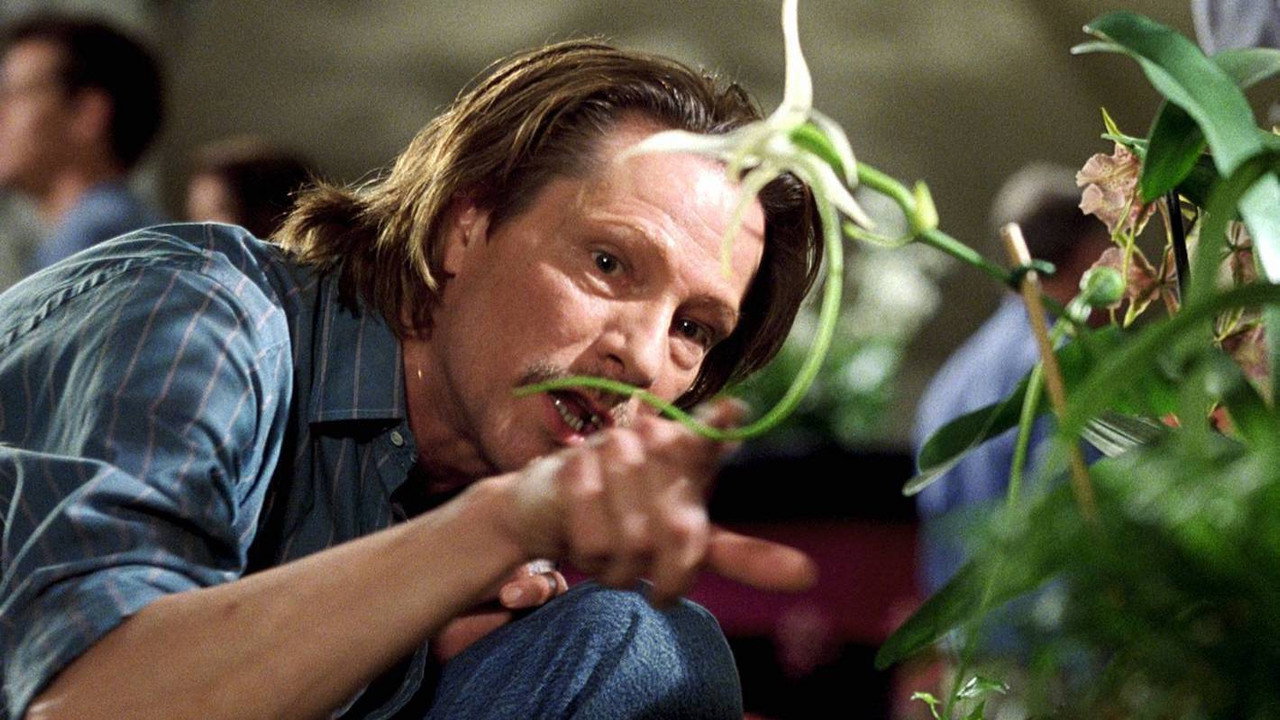
Kaufman was hired to adapt Susan Orlean's The Orchid Thief, a lyrical work of nonfiction about a Florida plant poacher named John Laroche. The trouble is that the book has almost no plot. It is a meditation on passion, on obsession, on the strange people who give a whole life to a single flower. There is no three-act engine inside it, no ticking clock, no hero to root home.
Faced with that wall, Kaufman did the one thing a screenwriting manual forbids. He wrote the wall into the script. The movie is no longer about orchids. It is about a sweating, balding writer named Charlie Kaufman trying and failing to turn The Orchid Thief into a film, and slowly drowning in the attempt. The adaptation's impossibility becomes the adaptation's subject. The move is the one answer that actually works, and it took real nerve to see it.
It captures what creative paralysis actually feels like
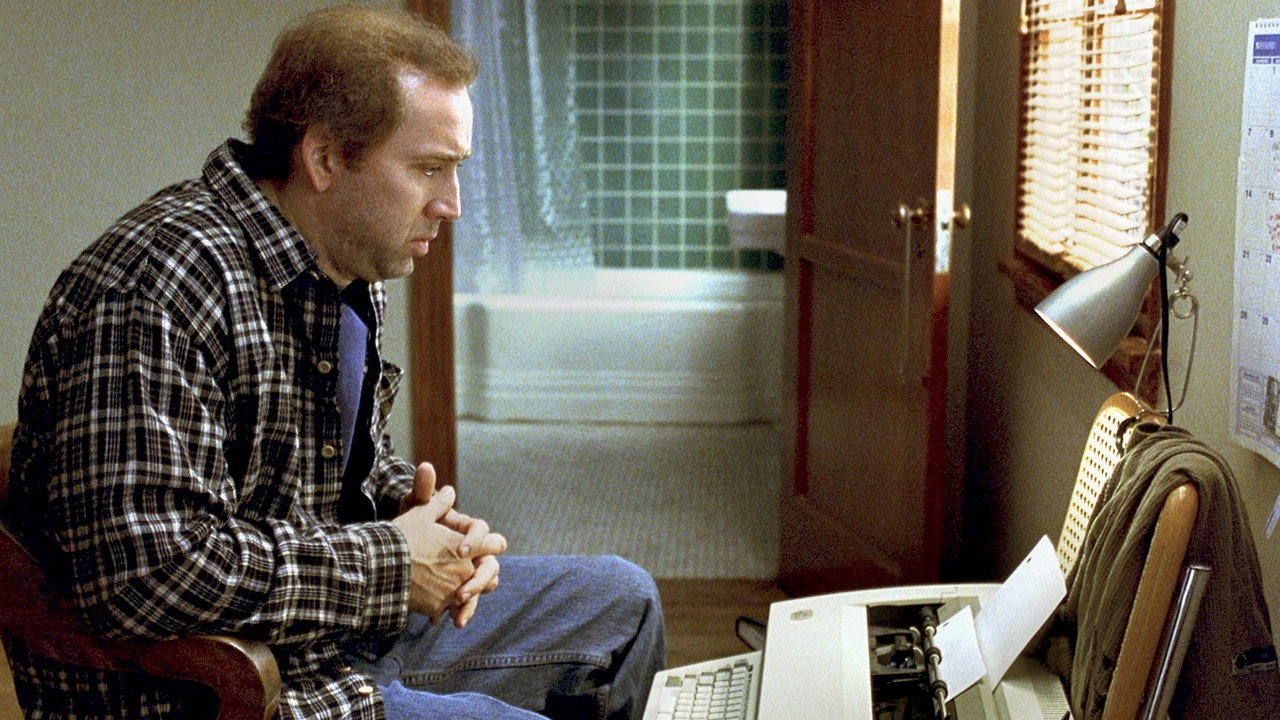
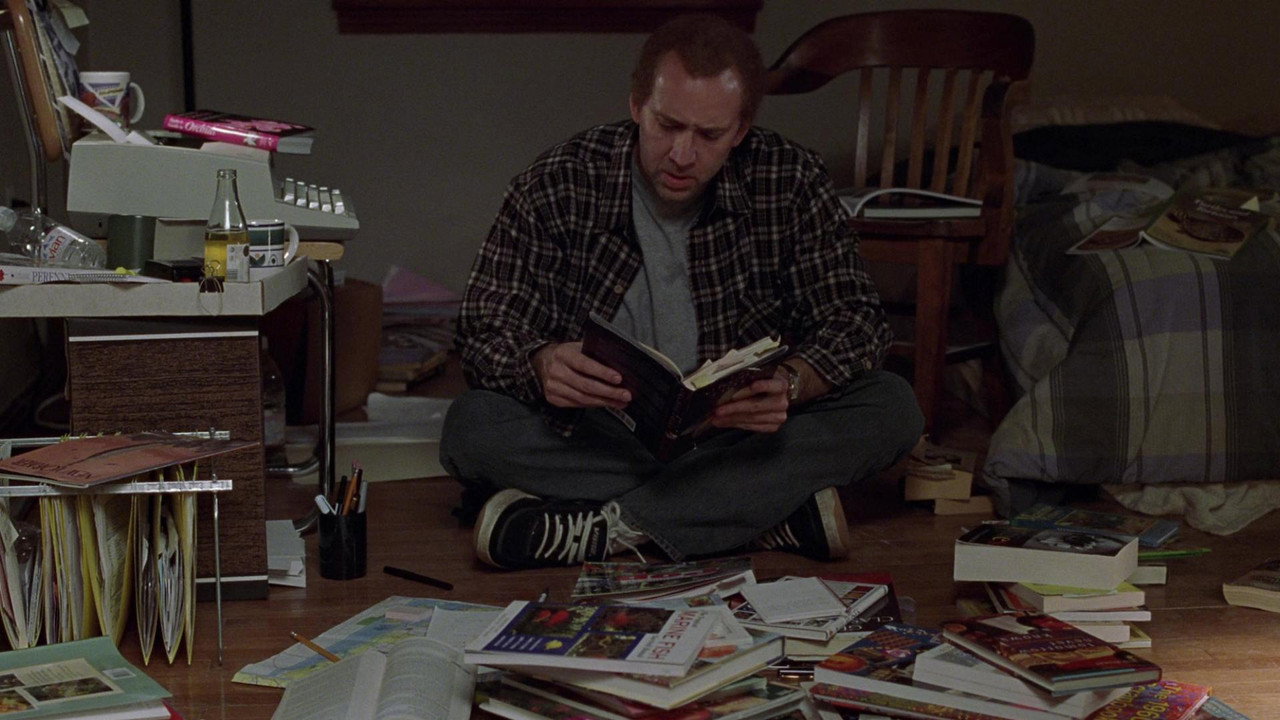
Most movies about writers cheat. The writer stares out a window, a piano swells, and three scenes later the manuscript is done. Adaptation. refuses the montage. It stays inside the paralysis and makes you feel the temperature of it: the self-loathing, the procrastination, the spiral of overthinking, the way one unwritten page can poison a whole afternoon. Charlie opens the film with a voice-over of pure self-disgust before he has typed a word.
The specificity is what does the work. This is one particular man's failure, with his own body, his own shame, his own way of avoiding the desk, a long way from any generic case of writer's block. Anyone who has ever needed to make something and could not start recognizes the feeling on contact.
The central joke becomes the film's deepest idea
Charlie spends the whole movie sneering at Hollywood formula. No artificial conflict, he insists. No car chases, no guns, no characters learning profound life lessons, no one overcoming obstacles to triumph in the end. He wants a film as quiet and shapeless as life.
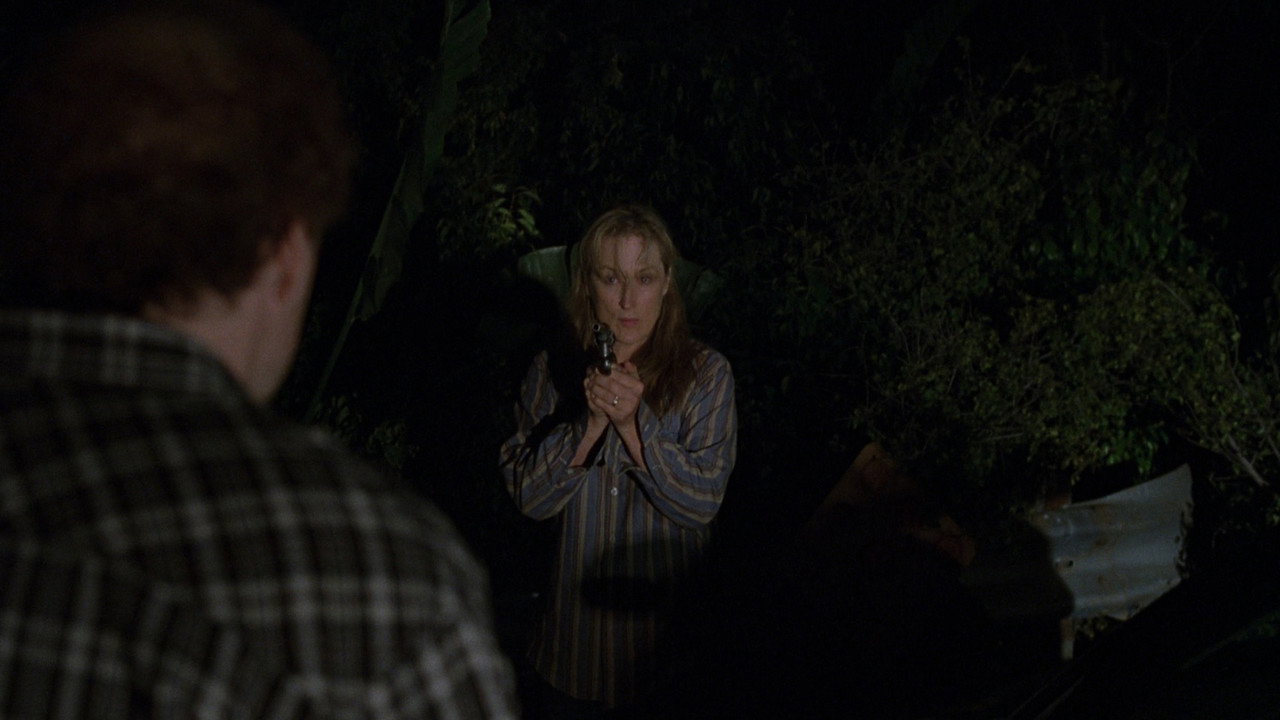
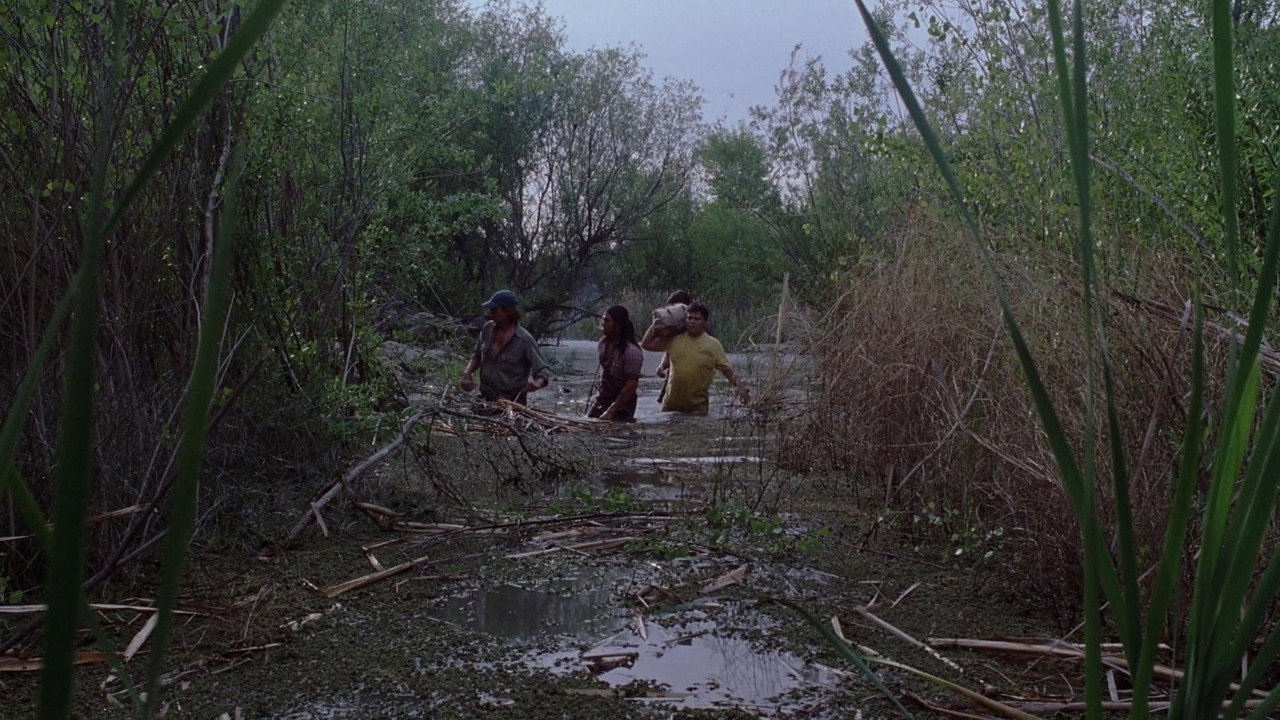
Then his invented twin brother, Donald, writes a brain-dead serial-killer thriller stuffed with every cliché Charlie despises, and Donald sells it for a fortune. By the final act, Charlie's own film has become exactly the kind of story he hates, complete with a gun, a swamp, a drug, and a death. The joke carries a real thesis underneath it, asking whether Charlie's contempt was ever wisdom or just fear wearing the mask of taste. The gag keeps unfolding in your head years after the credits.
"The ending is a cop-out. The film spends two hours mocking thriller clichés, then becomes one. That is hypocrisy, not insight."
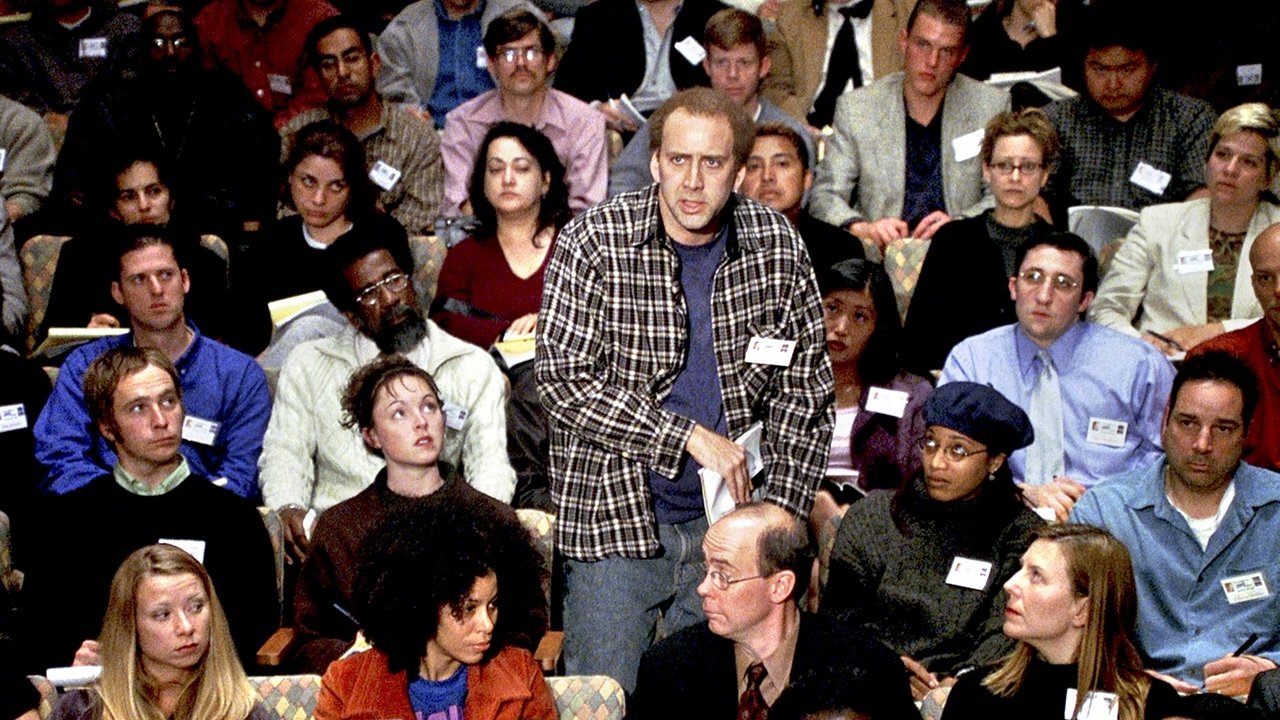
The turn is deliberate and signposted. Charlie, defeated, drives to a seminar by the real screenwriting guru Robert McKee and begs for help. McKee tells him to give the audience a real ending. The moment Charlie takes that advice, the movie obeys McKee's rules on screen, in real time, and winks at how silly they are even as it does so. The film does not abandon its argument. It dramatizes it. You are watching a man surrender, and watching the movie surrender with him, on purpose.
Donald is the shadow self, never just comic relief
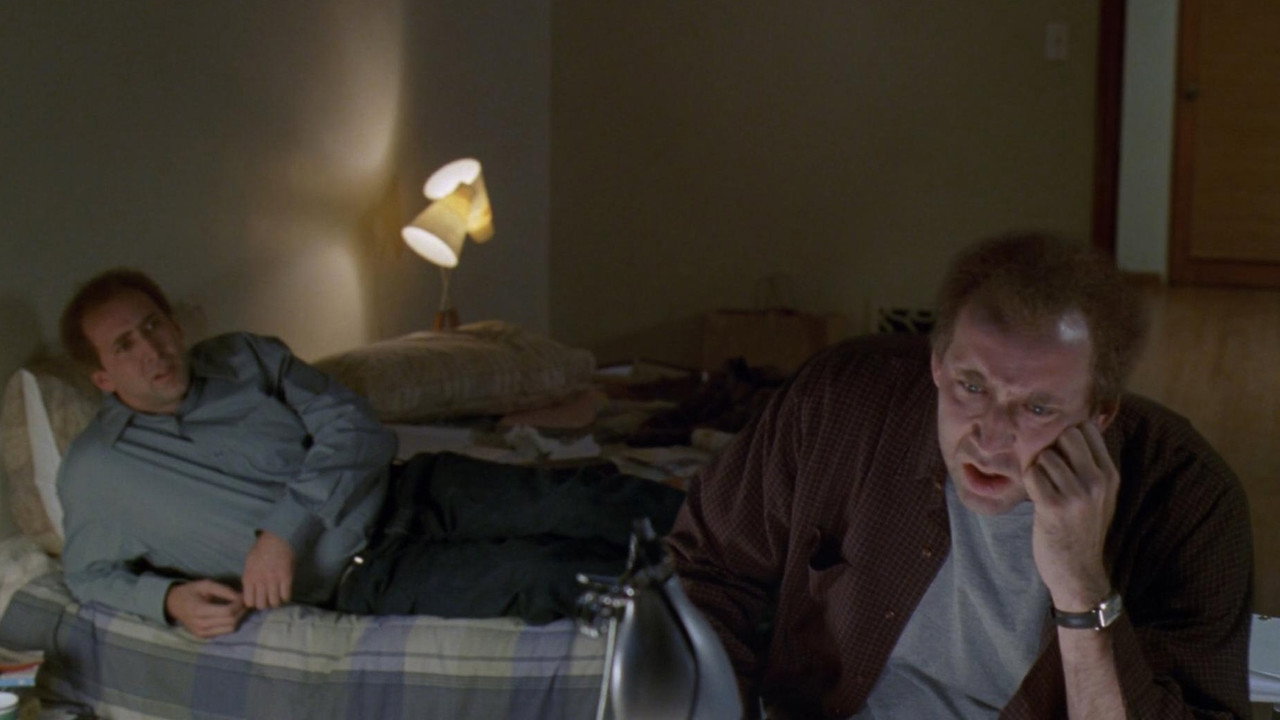
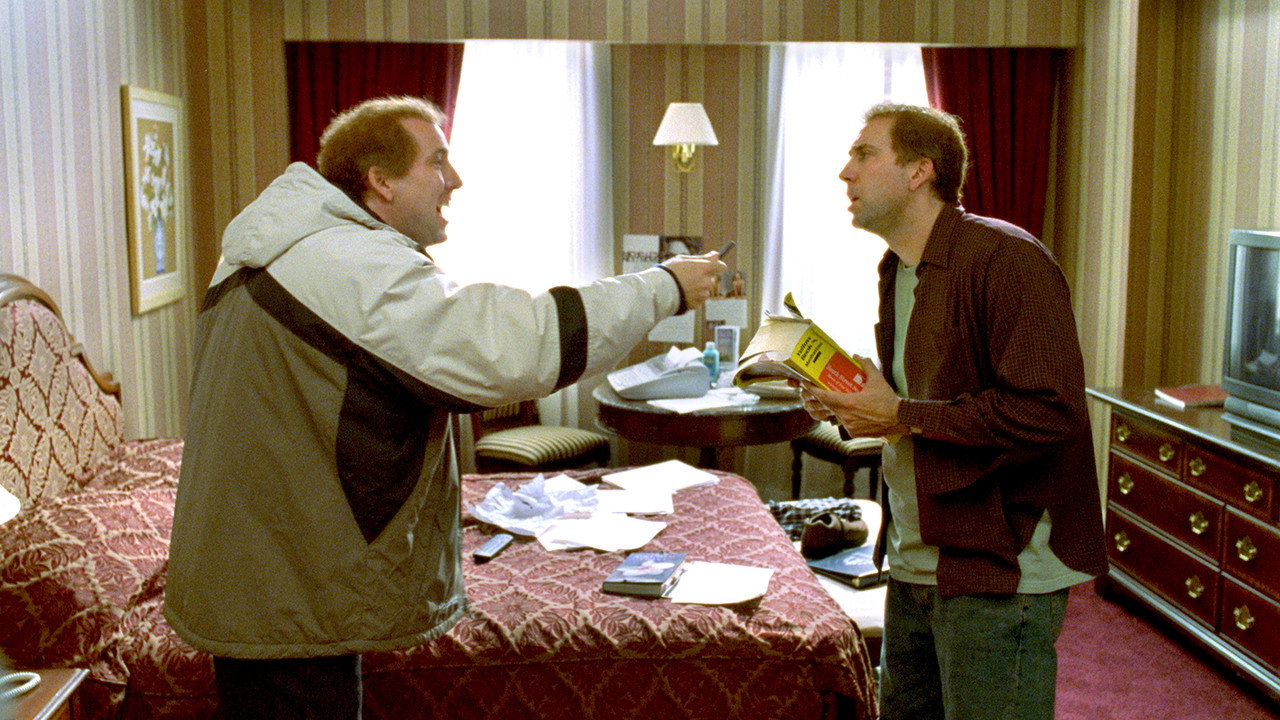
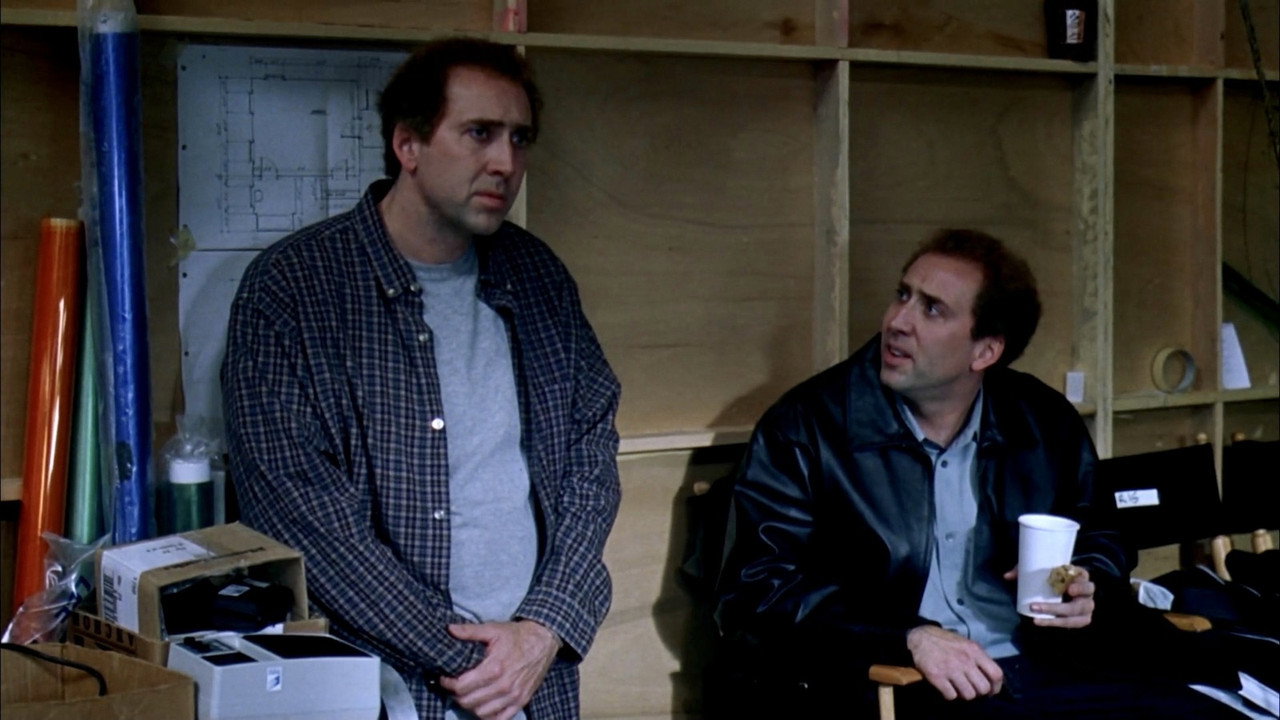
Donald Kaufman does not exist. Charlie invented him, and the film's screenplay is credited to "Charlie and Donald Kaufman," a joke that carried all the way to a real Academy Award nomination for a writer who is not real. Inside the story, Donald is everything Charlie is not: easy in his body, lucky in love, untroubled by whether his work is any good.
He plays Charlie's shadow in the oldest sense. He is the version of Charlie who acts instead of worrying, loves instead of analyzing, and makes things instead of endlessly refining them. When the brothers finally need each other in the swamp, the film is staging a man's two halves trying to survive the same night. Donald earns his place in the story by being the part of Charlie that can actually live.
You are what you love, not what loves you.Donald Kaufman
The third act is secretly the answer, not the betrayal
This is the hinge of the defense. Many viewers feel the last twenty minutes break the film: suddenly there are drugs, an alligator, a car crash, a gun, a death in a swamp. It plays like a different, dumber movie crashed into the smart one.
That collision is the point. Charlie has spent two hours refusing the rules of storytelling. In the third act he stops refusing and lets the rules take over, and the film lets them take over with him so you can see exactly what surrender costs and what it buys. Read it right and the ending becomes the film demonstrating the very machinery it spent two hours criticizing, with the criticism still ringing in your ears. It mocks the rules and obeys them in the same breath, and somehow both readings stay true.
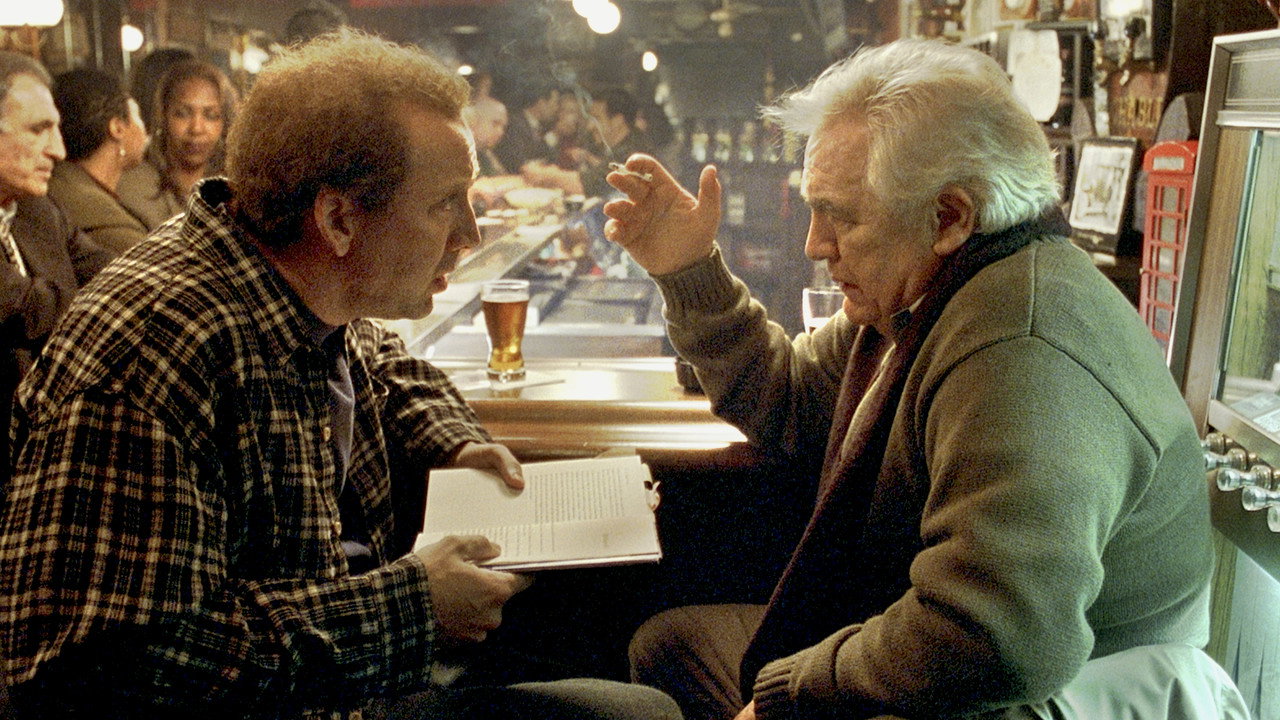
Nicolas Cage gives one of the decade's best performances
Cage plays both brothers, and they never blur. Charlie is hunched, damp, apologetic, always shrinking from the room. Donald is loose and open and faintly ridiculous in his confidence. They share a face and a voice. You always know which twin you are watching anyway, sometimes inside a single shot where Cage is acting against himself.
It is a performance built almost entirely out of posture, breath, and self-consciousness, with no flashy speeches to lean on. In a decade of louder roles, this quiet double act is one of the most precise pieces of screen acting anyone delivered.
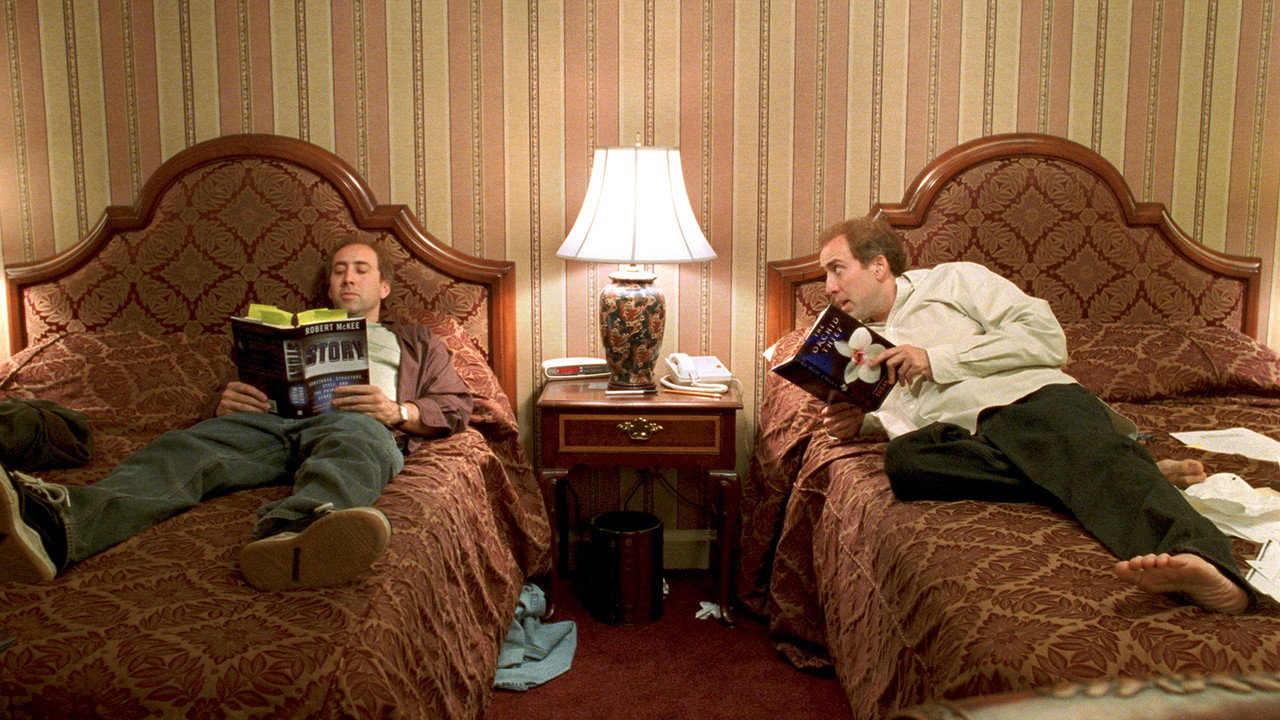
It rewards repeated viewings
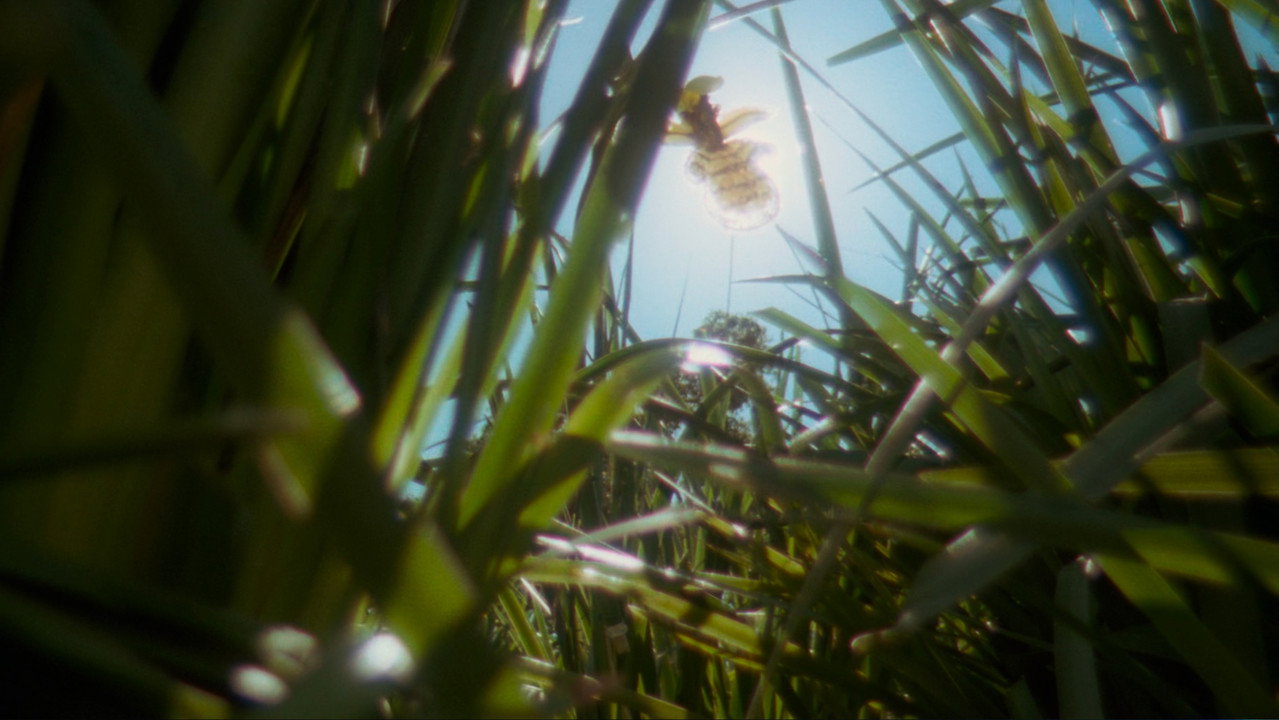
The film opens on a black screen and Charlie's voice, then leaps to the set of Being John Malkovich, then to the primordial soup of early life on Earth, then forward across millions of years. On a first watch these feel like clever digressions. On a second, they are structure. The evolution montage is secretly about adaptation in the biological sense, the same word the title is using about Charlie. Lines that sound like throwaways turn out to be setups. The movie is a puzzle box that only shows its hinges once you know how it ends.
It is intensely personal without being self-indulgent
A lesser version of this film would ask you to pity poor Charlie, the misunderstood genius. Adaptation. does the braver thing. It puts a writer's own name and face on screen and then exposes his vanity, his jealousy, his self-pity, his sexual cowardice, his contempt for people more successful than him. The film never asks you to admire Charlie. It asks you to recognize him, which is harder and more honest.
"A movie about how hard it is to write a movie is the most navel-gazing thing imaginable. Who cares about a screenwriter's feelings?"
The writing problem is a Trojan horse. The real subject is the gap between the people who analyze life and the people who actually live it, between the fear of failing and the courage to make an imperfect thing anyway. That tension belongs to anyone who has ever wanted to create and been afraid to. The screenwriter is just the most convenient body to hang it on.
It predicted a huge amount of later culture
In 2002, a mainstream film that fictionalized its own writer, invented a co-author, and turned a screenwriting lecture into a plot point was a genuinely odd object. The decade that followed caught up to it. Birdman (2014) built its whole engine out of a creator's terror of irrelevance, and Fleabag (2016) turned breaking the fourth wall into the most intimate gesture on television. Adaptation. reached that ground first, with more wit and less self-congratulation than most of what came after.
Most of all, it has something true to say about art
Charlie believes great art is born from complexity and suffering, that to be serious is to be difficult, that a story which pleases a crowd has given something away. Donald believes a story should reach people, should move them, should connect. For most of the film we are invited to side with the tortured genius and roll our eyes at the hack.
By the end the film has quietly changed its mind. Donald, the simple one, dies having loved his life and his work without shame, and he leaves Charlie the truest line in the movie. The film never humiliates Charlie's intelligence. It just suggests, gently, that Donald's warmth was never as foolish as Charlie thought, and that connection might matter as much as complexity. For a movie this clever, choosing tenderness over cleverness at the finish is the boldest move it makes.