The men peel off for a night of appetite while Harper and Daphne take the day together, and Quentin's glamorous English party arrives to pull Tanya into a new orbit.
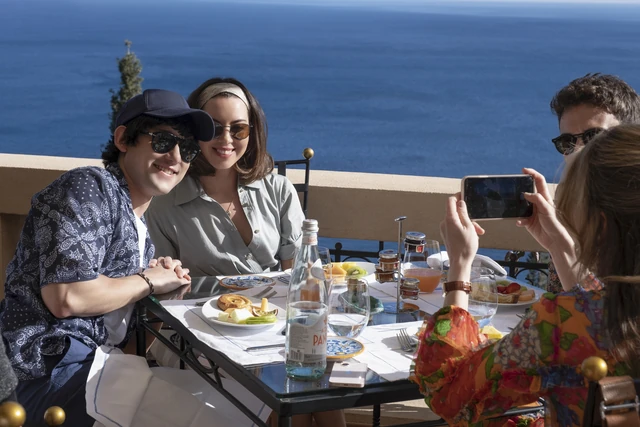

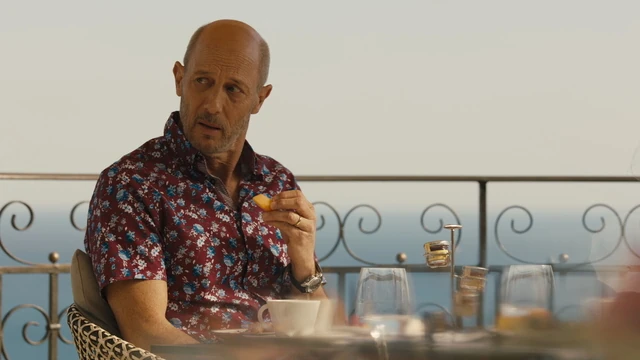
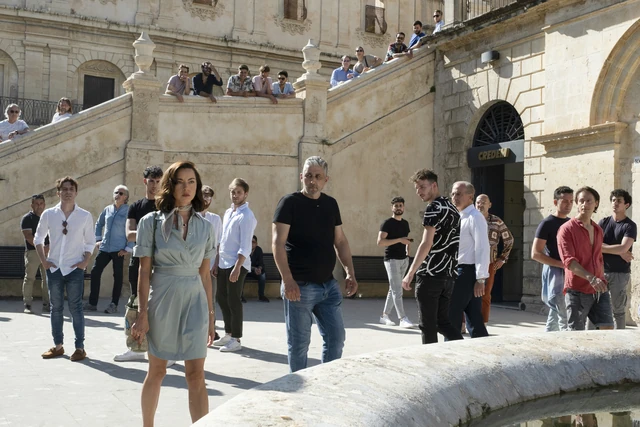
Placement
- The episode is the season's third, named for the male-bonding metaphor at its center. [1]
- Quentin and his nephew Jack are introduced, the expatriate Englishman and his young companion entering Tanya's world. [2]
- The Di Grasso men take Lucia and Mia out, the night turning the roots trip into a debauch. [2]
Mirrored subplots
- The men's night mirrors the women's day, appetite and performance on one side, confession and worldview on the other. [2]
- Daphne's philosophy mirrors Harper's dread, one woman's strategy of willful blindness set against the other's compulsion to know. [2]
- Quentin's charm mirrors Greg's coldness, new warmth arriving for Tanya just as her marriage chills. [2]
Cast in this episode
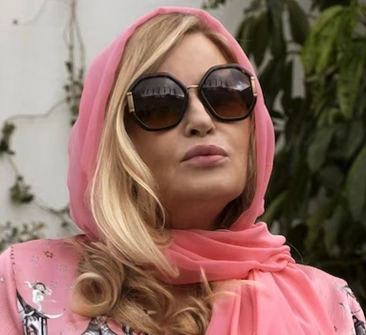
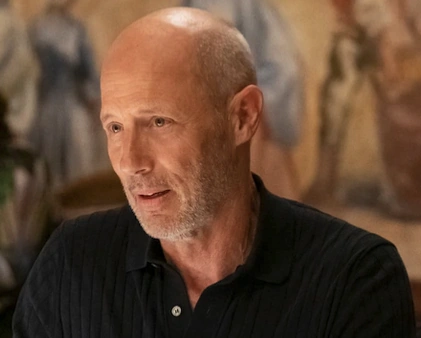

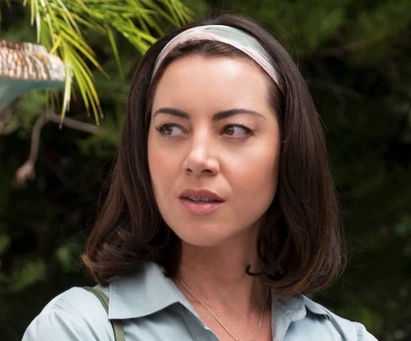

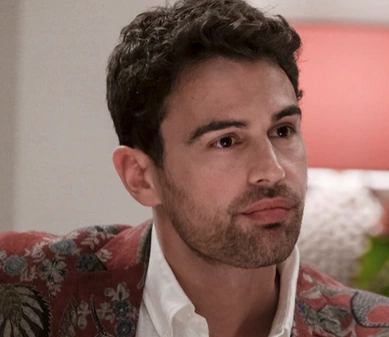






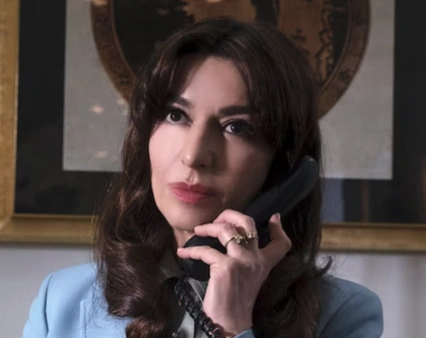


Character portraits: HBO promotional images via The White Lotus Wiki.
References
Places & production
- PPalermo & NotoplaceThe women's excursion opens the season out into Sicily proper.
- VSicilian palazzoplaceQuentin's borrowed grandeur stages Tanya's seduction into the group.
- TTaorminaplaceThe resort remains the fixed point the plots orbit.
Music & opera
- OOperatic scoremusicThe theme swells as Tanya is folded into Quentin's world.
- MMadama ButterflysongThe betrayal opera keeps sounding under the surface.
Symbols & ideas
- The title's image of rutting males frames the men's night.
- Her do-not-be-a-victim worldview becomes the season's moral question.
- The beheaded-lover vases recur near the betrayals.
Callbacks
Foreshadowing
- Quentin's group predicts the conspiracy, the too-perfect welcome foreshadowing a trap around Tanya. [2]
- Daphne's worldview predicts the finale's morality, her refusal of victimhood previewing how the survivors cope. [2]
- The men's night predicts fallout, the excess setting up jealousy, secrets, and money trouble. [2]
Tropes
- The male-bonding-gone-feral trope drives the men's night, camaraderie curdling into competition and appetite. [2]
- The mysterious-charming-stranger trope drives Quentin, hospitality that is too generous to trust. [2]
- The girls'-day-out trope drives Harper and Daphne, confession disguised as sightseeing. [2]
- The philosophy-monologue trope lands on Daphne, a worldview delivered as vacation small talk. [2]
Character work
- Daphne reveals her survival strategy, choosing not to know what would make her a victim. [2]
- Harper is unsettled by that strategy, unable to adopt the blindness that keeps Daphne happy. [2]
- Cameron pushes every limit on the night out, his behavior threatening to spill into the marriages. [2]
- Tanya is dazzled by Quentin, mistaking a designed welcome for genuine friendship. [2]
- Dominic keeps sinking, the night deepening the mess he came to escape. [2]
What the episode is doing
- The episode splits the ensemble by gender to expose it, using the night and the day to state each character's values. [2]
- It seeds the Tanya thriller, planting the conspiracy that will drive the back half. [2]
- It elevates Daphne from comic wife to moral center, her doctrine reframing the whole season. [2]
PalermoNotoTaorminaBull elephantsMadama ButterflyTesta di MoroItalian opera