Tanya rides to Palermo with Quentin's set for an opera night that dazzles and unsettles her, while money surfaces as the lever behind Lucia's, Mia's, and the men's plots.

Placement
- The episode is the season's fifth, its title borrowed from the Dean Martin standard about Italian romance. [1]
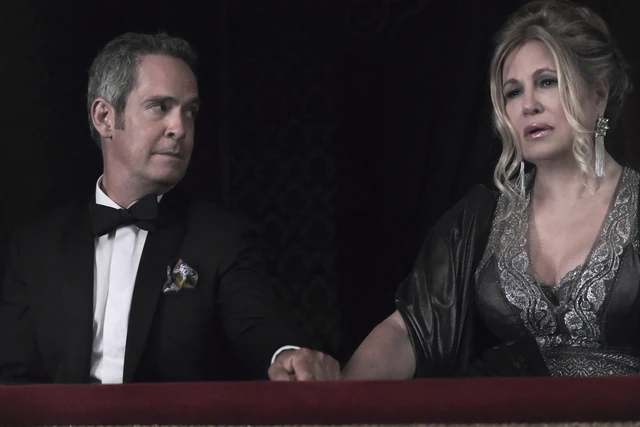
- Tanya travels to Palermo with Quentin's group, an opera-and-glamour night that deepens her attachment. [2]
- Mia pursues the resort singing gig, maneuvering around the piano player Giuseppe to get on stage. [2]
Mirrored subplots
Cast in this episode
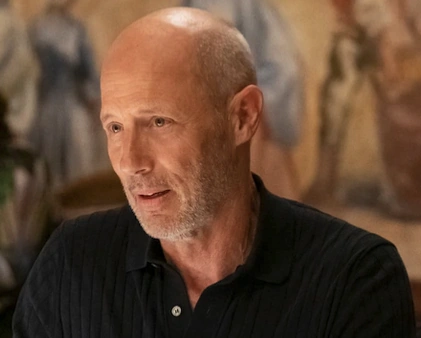

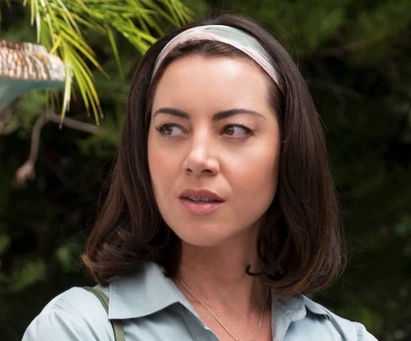

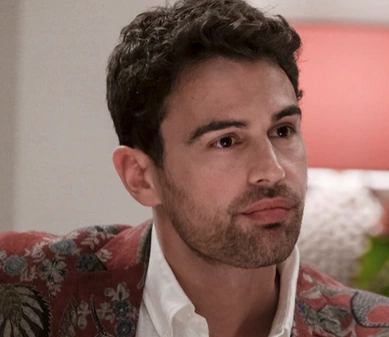


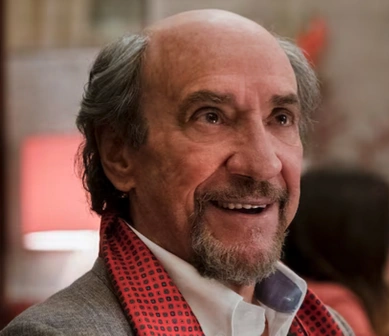
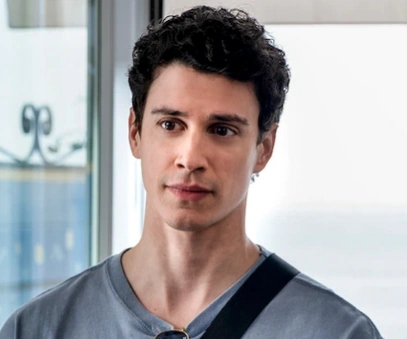


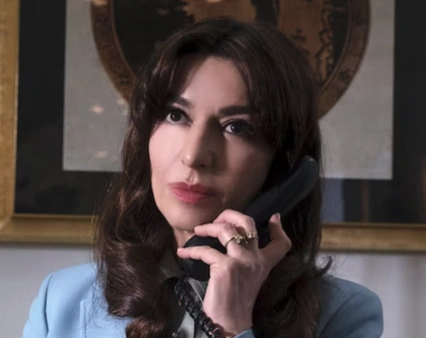


Character portraits: HBO promotional images via The White Lotus Wiki.
References
Places & production
- PPalermoplaceThe city's opera house and streets stage Tanya's dazzled night.
- TTeatro MassimoplaceThe grand opera hall frames the romance-and-doom set piece.
- SSan Domenico PalaceplaceThe resort remains the hub the plots return to.
Music & opera
- AThat's AmoresongThe Dean Martin title song frames the episode's ironic romance.
- MMadama ButterflysongPuccini's tragedy keeps sounding under Tanya's night.
- OOperatic scoremusicThe score reaches full aria as the plots converge.
Symbols & ideas
- His confessed lost love reframes his glamour as grief.
- Lucia's ask and Mia's scheme make cash the season's engine.
- The beheaded-lover vases shadow the romance.
Callbacks
Foreshadowing
Tropes
- The opera-night set piece trope drives Tanya's arc, grandeur used to seduce and to foreshadow. [2]
- The sympathetic-con trope drives Lucia, a money ask wrapped in danger and need. [2]
- The ambition-over-scruple trope drives Mia, the gig won by cutting a corner. [2]
- The wistful-mentor trope drives Quentin, charm deepened by a story of loss. [2]
Character work
- Tanya is swept up and slightly wary, enchanted while a small doubt begins to form. [2]
- Lucia raises the stakes with Albie, turning affection into an urgent money problem. [2]
- Mia commits to her ambition, willing to manipulate to get on stage. [2]
- Quentin reveals his grief, recasting his glamour as mourning. [2]
- Albie steps toward being used, his decency making him the perfect mark. [2]
What the episode is doing
PalermoTeatro MassimoThat's AmoreMadama ButterflyTesta di MoroItalian opera